Have you ever received a text with just the 😶 emoji and wondered what the other person was trying to say? The face without mouth emoji can be confusing because it shows a face with no visible mouth, leaving you to guess whether the sender feels awkward, shocked, quiet, or unsure what to say.
The face without mouth emoji meaning usually relates to silence, speechlessness, or having no words to express a feeling. People also use it during awkward moments, when they want to stay quiet, or when something leaves them surprised. Its exact meaning depends on the conversation, the sender’s tone, and what happened before the emoji appeared.
Key Takeaways
- 😶 often means silence, speechlessness, or having nothing to say.
- It can show an awkward or uncomfortable moment.
- People may use it after hearing surprising or shocking news.
- In texting, it can suggest that someone is holding back a comment.
- In relationships, it may reflect uncertainty or an uncomfortable conversation.
- It does not automatically mean anger, sadness, or romantic interest.
- The messages around the emoji help explain its intended meaning.
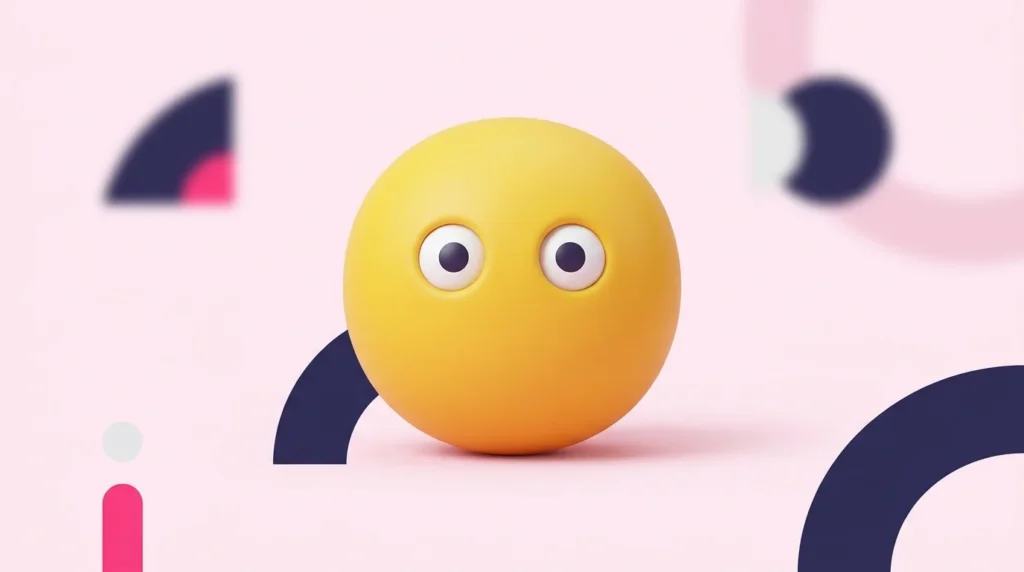
Featured image placement: Add Image 1 immediately after these key takeaways and before the first H2 heading.
What Does the Face Without Mouth Emoji 😶 Mean?
The 😶 emoji shows a yellow face with open eyes and no visible mouth. Its blank expression makes it useful for showing feelings that are hard to put into words.
Here are its most common meanings.
1. Speechlessness
Someone may send 😶 when something surprises them so much that they do not know what to say.
Example Message: “You won the entire competition? 😶”
Meaning: The sender is surprised and has no words for the news.
Best Used For: Unexpected news, big achievements, and surprising announcements.
2. Silence or No Comment
The emoji can mean that someone has decided not to comment on a topic. They may have nothing useful to say or may prefer to stay out of a discussion.
Example Message: “So, what do you think about their argument? 😶”
Meaning: The sender is staying quiet rather than sharing an opinion.
Best Used For: Sensitive topics, group chats, or situations where speaking might cause trouble.
3. Awkwardness
Sometimes, a conversation becomes uncomfortable, and nobody knows what to say next. The 😶 emoji can express that feeling.
Example Message: “I accidentally called my teacher Mom in front of everyone 😶”
Meaning: The sender feels embarrassed and does not know how to react.
Best Used For: Social mistakes, embarrassing moments, and uncomfortable conversations.
4. Disappointment or Frustration
The emoji can also show a quiet negative reaction. Someone might use it when they feel let down but do not want to start an argument.
Example Message: “They canceled our plans again 😶”
Meaning: The sender may feel disappointed or frustrated but is not expressing it directly.
Best Used For: Letdowns, broken plans, or moments when someone is holding back their feelings.
5. Keeping Thoughts to Yourself
The face without mouth emoji can suggest that someone has something to say but chooses to keep it private.
Example Message: “I know what happened, but I’m staying out of it 😶”
Meaning: The sender does not want to get involved or reveal what they know.
Best Used For: Private matters, gossip, or situations that call for discretion.
What Does 😶 Mean in Texting?
In text messages, 😶 often works as a reaction rather than a complete statement. It can replace a long reply when someone feels surprised, awkward, quiet, or unsure how to respond.
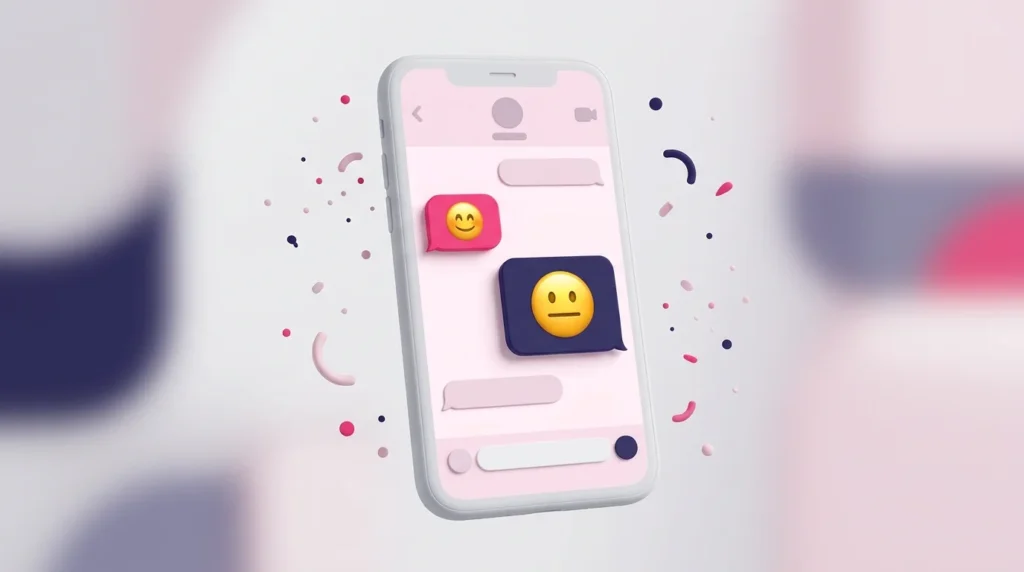
Its meaning changes with the words around it.
| Text message | Likely meaning |
|---|---|
| “Wait, seriously? 😶” | Surprise or disbelief |
| “I have no words 😶” | Speechlessness |
| “You did WHAT? 😶” | Shock or disbelief |
| “Let’s just leave it there 😶” | No comment |
| “Well, that was awkward 😶” | Embarrassment |
| “I saw the messages 😶” | Possible discomfort or concern |
Example Conversation 1: Surprising News
Alex: “I got offered my dream job!”
Jamie: “Wait, what?! 😶”
Meaning: Jamie is surprised by the news. The emoji adds a silent, stunned reaction.
Example Conversation 2: An Awkward Moment
Mia: “I waved at someone who wasn’t waving at me.”
Sam: “No way 😶”
Meaning: Sam reacts to the embarrassing situation. Depending on their friendship, the reply may feel sympathetic or playful.
Example Conversation 3: Staying Out of Drama
Alex: “Did you hear what happened between them?”
Jordan: “I know, but I’m not getting involved 😶”
Meaning: Jordan wants to avoid the drama and keep their opinion private.
What Does 😶 Mean From a Guy?
When a guy sends 😶, he may be speechless, surprised, awkward, or unsure what to say. He could also be choosing not to comment on something.
For example:
You: “I knew you were going to say that!”
Him: “How did you know? 😶”
Here, he may feel surprised or caught off guard.
If he sends 😶 after you share romantic feelings, it may mean he is unsure how to reply, needs time to think, or feels uncomfortable. It does not prove that he likes you or that he is rejecting you.
Look at his words and how he acts over time instead of relying on one emoji.
What Does 😶 Mean From a Girl?
When a girl sends 😶, she may be speechless, embarrassed, surprised, or unsure how to respond. The emoji can also show that she would rather stay quiet than comment.
For example:
You: “I told everyone you were my favorite person.”
Her: “You actually said that? 😶”
She may be surprised, shy, or unsure how to react. The rest of the conversation can help you tell which meaning fits.
A girl might also use 😶 jokingly after hearing gossip or seeing something embarrassing. It does not automatically signal attraction, anger, or sadness.
What Does 😶 Mean in Relationships?
In a relationship, the face without mouth emoji can express silence, uncertainty, surprise, or feelings that are difficult to explain.
Its tone depends on what the two people are discussing.
- During flirting: It may show shyness or surprise after a bold compliment.
- After an argument: It may suggest frustration, discomfort, or a wish to avoid further conflict.
- After a confession: It may reflect surprise or uncertainty about what to say.
- During a serious talk: It may signal that someone needs time to think.
- Between close partners: It may be a playful reaction to an inside joke.
Example: A Romantic Message
You: “I think I’m starting to fall for you.”
Them: “Oh… 😶”
This response is unclear on its own. The other person may be surprised, shy, unsure, or uncomfortable. Give them room to reply in their own words rather than guessing what they feel.
What Does 😶 Mean on Social Media?
On social media, 😶 can be used in comments, captions, and posts to show a silent reaction.
Common uses include:
- Reacting to surprising news.
- Showing an awkward or embarrassing moment.
- Responding to gossip without adding details.
- Suggesting that a situation speaks for itself.
- Showing quiet disappointment.
- Making a funny post about having no words.
Example Caption: “Me after hearing the office gossip 😶”
This caption suggests that the person is surprised or has no comment. It may also be used for humor.
The emoji can seem serious in one post and playful in another. The caption, image, and conversation help set the tone.
How to Reply to the Face Without Mouth Emoji
Your reply should match the situation. If the sender seems upset or uncomfortable, a calm question may work better than a joke.
Here are five natural replies.
| Your reply | Best situation |
|---|---|
| “What happened? 😂” | A funny or awkward moment |
| “I know, right?” | Shared surprise |
| “You okay?” | The sender may be upset |
| “Take your time.” | A serious or emotional conversation |
| “Haha, no comment? 😅” | Friendly teasing |
If you are unsure what the sender means, ask a simple question such as, “What do you mean by that?” This helps avoid guessing their feelings.
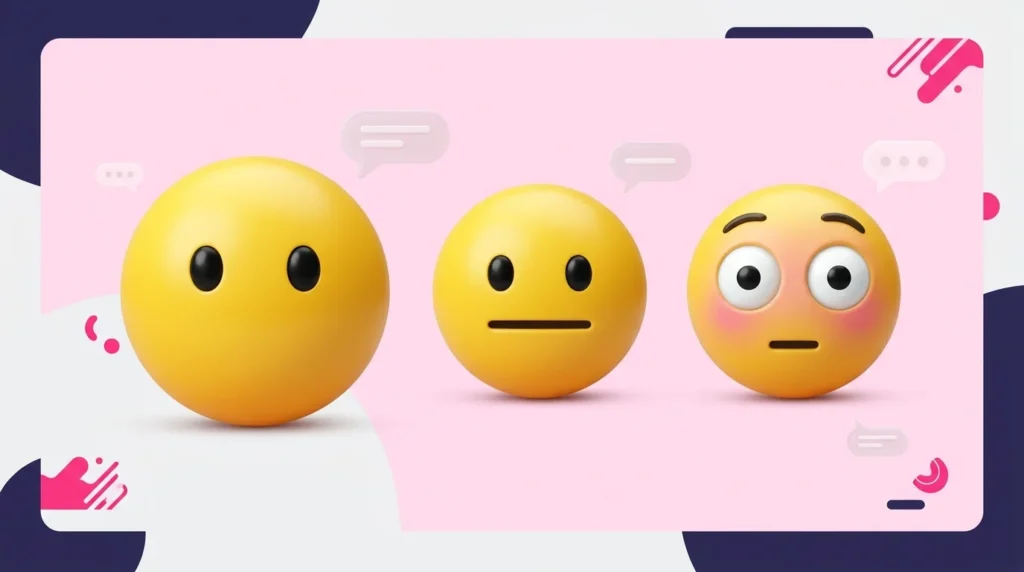
Similar Emojis Compared With 😶
Several emojis can express silence, surprise, or a blank reaction, but each has a slightly different look and tone.
| Emoji | Name | Main meaning |
|---|---|---|
| 😶 | Face Without Mouth | Silence or speechlessness |
| 😐 | Neutral Face | A plain or neutral reaction |
| 😑 | Expressionless Face | Annoyance, boredom, or a flat reaction |
| 🤐 | Zipper-Mouth Face | Keeping a secret or staying quiet |
| 🫥 | Dotted Line Face | Feeling invisible, withdrawn, or awkward |
| 😳 | Flushed Face | Embarrassment, surprise, or feeling exposed |
| 🤫 | Shushing Face | Asking someone to be quiet |
The key difference is the expression. 😶 often suggests having no words, while 😐 can feel neutral, and 😑 may seem more annoyed or unimpressed. 🤐 more clearly suggests keeping quiet or keeping a secret.
Popular Emoji Combinations With 😶
Pairing 😶 with another emoji can make the intended tone easier to read.
| Combination | Possible meaning |
|---|---|
| 😶😂 | Speechless but amused |
| 😶😳 | Shocked or embarrassed into silence |
| 😶🤐 | Staying quiet or keeping a secret |
| 😶🙄 | Silent disbelief or annoyance |
| 😶💔 | Speechless because of hurt feelings |
| 😶🫠 | Awkwardness or feeling overwhelmed |
| 😶👀 | Quietly watching or waiting to see what happens |
These combinations are informal. Their meaning can change based on the people using them and the messages around them.
Supporting image placement: Add Image 2 after this table to show how the same blank expression can fit different texting situations.
Copy and Paste the Face Without Mouth Emoji
Want to use the emoji in a message, caption, or comment? Copy it here:
😶
Face Without Mouth
For silence, speechlessness, or an awkward reaction.
Copy 😶
You can paste it into text messages, social media captions, comments, and most apps that support emojis.
Frequently Asked Questions
What is the main meaning of 😶?
The face without mouth emoji usually means silence, speechlessness, or having no words. It can also express awkwardness, disappointment, or a wish not to comment.
Does 😶 mean someone is angry?
Not necessarily. It may show frustration or disappointment, but it can also be a neutral reaction or a sign of surprise. Read the surrounding message before deciding what the sender feels.
What does 😶 mean from a crush?
A crush may use it when feeling surprised, shy, or unsure how to respond. However, it does not confirm romantic interest. Their words and actions provide better clues.
Is 😶 a negative emoji?
No, it is not always negative. It can express a funny reaction, a surprising moment, or a simple lack of words. Its tone depends on the situation.
What is the difference between 😶 and 🤐?
😶 usually suggests silence or speechlessness, while 🤐 often means keeping a secret or deliberately not speaking. The two can overlap, but they do not always communicate the same feeling.
Can 😶 mean awkwardness?
Yes. People often use it when a conversation becomes uncomfortable or when something embarrassing happens. It can communicate the feeling of not knowing what to say next.
What does 😶 mean after a serious message?
It may mean the sender is surprised, needs time to think, or does not know how to reply. It could also signal discomfort. A direct, kind question can help clear up the meaning.
Is 😶 the same as 😐?
No. 😶 has no visible mouth and often suggests speechlessness or silence. 😐 has a straight mouth and usually communicates a neutral or unimpressed reaction.
Conclusion
The face without mouth emoji 😶 usually expresses silence, speechlessness, awkwardness, or a lack of comment. People use it in everyday texts, romantic conversations, group chats, and social media posts when words do not seem necessary or easy to find.
The same emoji can communicate different feelings depending on the situation. Before deciding what someone means, look at the message, the relationship, and the tone of the conversation. If you still cannot tell, ask what they meant rather than making assumptions.

James Whitmore is an emoji meanings writer at Emojixa.com. He writes simple guides about emoji meanings, texting expressions, and emoji combinations to help readers understand how emojis are used in everyday conversations, friendships, and relationships.