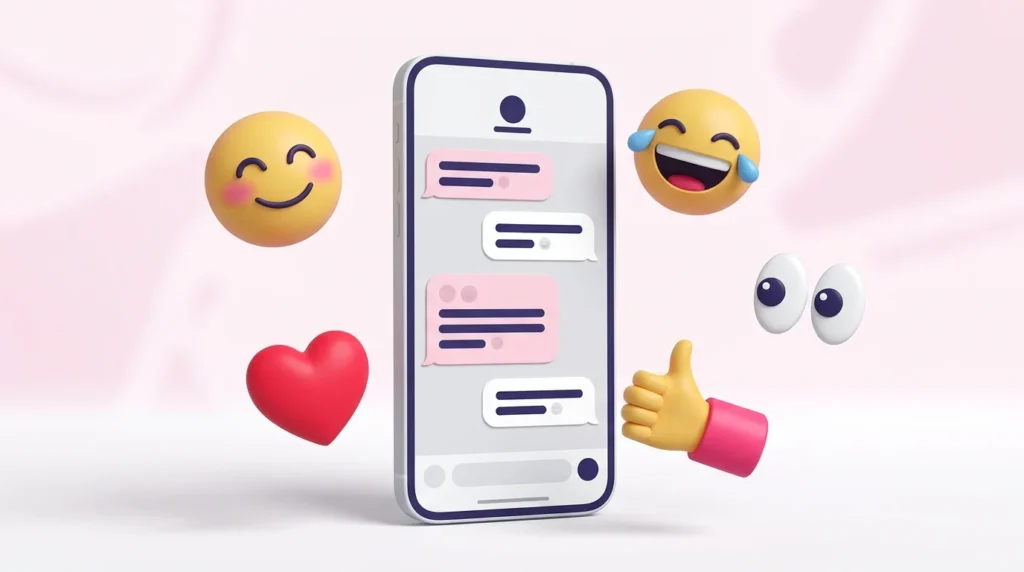
Have you ever received a text with just a ❤️, 👍, or 💀 and wondered what the sender was trying to say? A single emoji can make a message feel friendly, funny, romantic, or even a little rude. That is why the emoji meaning in text can be confusing, especially if you are unsure how the other person usually communicates.
In text messages, emojis help people express feelings, reactions, and tone without writing long sentences. Some show happiness or love, while others add humor, sarcasm, or slang. This guide explains common emoji meanings, how people use them in everyday conversations, what they may mean from a friend or romantic interest, and how to read them based on context.
Key Takeaways
- Emojis add feelings, reactions, and tone to text messages.
- 😊 often shows warmth, while 😂 usually expresses laughter.
- ❤️ can show love, affection, friendship, or support.
- 💀 often means something is extremely funny in casual texting.
- 👍 usually signals agreement or acknowledgment, but it may feel cold in some conversations.
- 😉 can suggest teasing or flirting, but it does not always signal romantic interest.
- The sender’s words, relationship with you, and usual texting style help explain an emoji’s meaning.
What Does Emoji Meaning in Text Mean?
Emoji meaning in text refers to the message, feeling, or reaction that an emoji adds to a written conversation. Emojis can show emotions, describe objects, react to news, and help readers understand the tone of a message.
For example, compare these two messages:
- “Thanks for helping me.”
- “Thanks for helping me 😊”
Both express gratitude, but the second often feels warmer and more friendly.
An emoji can also change how a sentence sounds. A thumbs-up may confirm that someone received your message, while an upside-down face can suggest playful frustration. The symbol alone does not tell the full story, so the words around it matter.
Common Emoji Meanings in Text Messages
Here is a quick guide to popular emojis and their usual meanings in everyday chats.
| Emoji | Name | Common meaning in text |
|---|---|---|
| 😀 | Grinning Face | Happiness, excitement, friendliness |
| 😊 | Smiling Face with Smiling Eyes | Warmth, kindness, appreciation |
| 😂 | Face with Tears of Joy | Laughter, amusement |
| 🤣 | Rolling on the Floor Laughing | Very strong laughter |
| 😭 | Loudly Crying Face | Sadness, dramatic emotion, or laughter |
| ❤️ | Red Heart | Love, affection, care |
| 😍 | Smiling Face with Heart-Eyes | Admiration, attraction, excitement |
| 😉 | Winking Face | Playfulness, teasing, possible flirting |
| 😏 | Smirking Face | Confidence, teasing, or suggestive intent |
| 👍 | Thumbs Up | Agreement, approval, acknowledgment |
| 🙏 | Folded Hands | Thanks, a request, or prayer |
| 🔥 | Fire | Something impressive, attractive, or exciting |
| 💀 | Skull | Extreme laughter, shock, or embarrassment |
| 👀 | Eyes | Interest, curiosity, or attention |
| 🙃 | Upside-Down Face | Irony, awkwardness, playful frustration |
| 🤔 | Thinking Face | Doubt, thought, or a question |
| 🥺 | Pleading Face | A gentle request, affection, or sadness |
| 🎉 | Party Popper | Celebration and congratulations |
These are common interpretations, not fixed rules. One person may use an emoji differently from another.
What Do Emojis Mean in Texting?
People use emojis to add emotion to short messages, react to news, and make conversations feel more personal.
Smiling Emojis 😊 and 🙂
A smiling emoji often shows friendliness, happiness, or politeness.
Example Message: “It was nice talking to you 😊”
Meaning: The sender likely wants to sound warm and friendly.
Best Used For: Friendly chats, thank-you messages, greetings, and polite replies.
The slightly smiling face 🙂 can also feel neutral or distant in some conversations. If someone sends it after a tense exchange, it might suggest frustration or an attempt to end the discussion. Do not assume that meaning without looking at the full conversation.
Laughing Emojis 😂, 🤣, and 💀
These emojis often show that something is funny.
- 😂 means laughter or amusement.
- 🤣 suggests very strong laughter.
- 💀 can mean “I’m dead” from laughing, shock, or embarrassment.
Example Message: “You walked into the wrong classroom and stayed there for ten minutes 💀”
Meaning: The sender finds the situation extremely funny.
Best Used For: Jokes, funny stories, playful teasing, and surprising moments.
The skull emoji can have a serious meaning in discussions about death, so the surrounding words are important.
Heart Emojis ❤️ and 💕
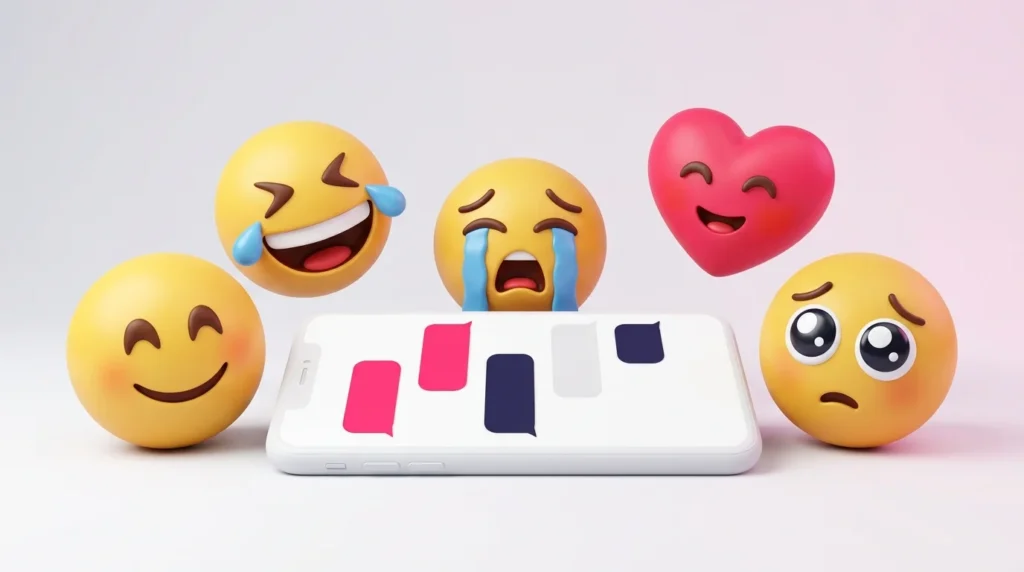
Heart emojis often show love, care, affection, or appreciation.
Example Message: “Thank you for always checking on me ❤️”
Meaning: The sender is showing warmth and gratitude.
Best Used For: Messages to family, close friends, partners, or people you care about.
A heart does not always mean romantic love. Friends and family members often use hearts to show support and kindness.
Thumbs-Up 👍
The thumbs-up emoji usually means “okay,” “agreed,” or “I received your message.”
Example Message: “The meeting starts at 10 AM tomorrow 👍”
Meaning: The sender is acknowledging the information.
Best Used For: Confirming plans, agreeing with a suggestion, or giving quick approval.
In some conversations, especially after a personal or emotional message, a single thumbs-up may feel brief or dismissive. The sender may still intend it as a simple acknowledgment.
Eyes 👀
The eyes emoji often signals curiosity, attention, surprise, or interest in something worth noticing.
Example Message: “Did you see the photos she posted? 👀”
Meaning: The sender wants to draw attention to the photos or suggest that there is something interesting about them.
Best Used For: Sharing gossip, reacting to news, showing curiosity, or hinting at something surprising.
It can sometimes suggest romantic interest, but that depends on the conversation.
What Do Emojis Mean From a Guy or Girl?
People of any gender can use the same emojis for similar reasons. The sender’s words, personality, and relationship with you usually tell you more than gender alone.
Romantic or Flirty Emoji Meanings
Some emojis can add a playful or affectionate tone to a conversation.
| Emoji | Possible meaning | Example |
|---|---|---|
| 😉 | Teasing or playful flirting | “You looked good today 😉” |
| 😍 | Admiration or attraction | “That picture is amazing 😍” |
| 😘 | Affection or a kiss | “Goodnight 😘” |
| ❤️ | Love, care, or appreciation | “I had a great time with you ❤️” |
| 🥰 | Warm affection or happiness | “I loved spending time with you 🥰” |
| 😏 | Teasing, confidence, or a suggestive tone | “You already know 😏” |
These emojis can suggest romantic interest, but they cannot confirm it on their own. A person may use them with friends, family, or partners. Look at the whole conversation and how the person treats you outside texting.
Friendly Emoji Meanings
Friendly emojis often make everyday messages feel warmer.
Example Message: “Good luck with your exam! 🍀😊”
Meaning: The sender is offering support and wishing you well.
Best Used For: Encouraging friends, congratulating classmates, and sharing good news.
A friendly emoji does not need a hidden meaning. Sometimes a smile is simply a smile.
How Emojis Change the Tone of a Message
The same words can feel different when you add an emoji.
| Text message | Possible tone |
|---|---|
| “Okay.” | Neutral, serious, or distant |
| “Okay 😊” | Friendly or polite |
| “Okay 🙃” | Playful frustration or irony |
| “Okay 👍” | Agreement or acknowledgment |
| “Okay 😏” | Teasing or suggestive, depending on context |
| “Okay 😂” | Amusement or a joking reaction |
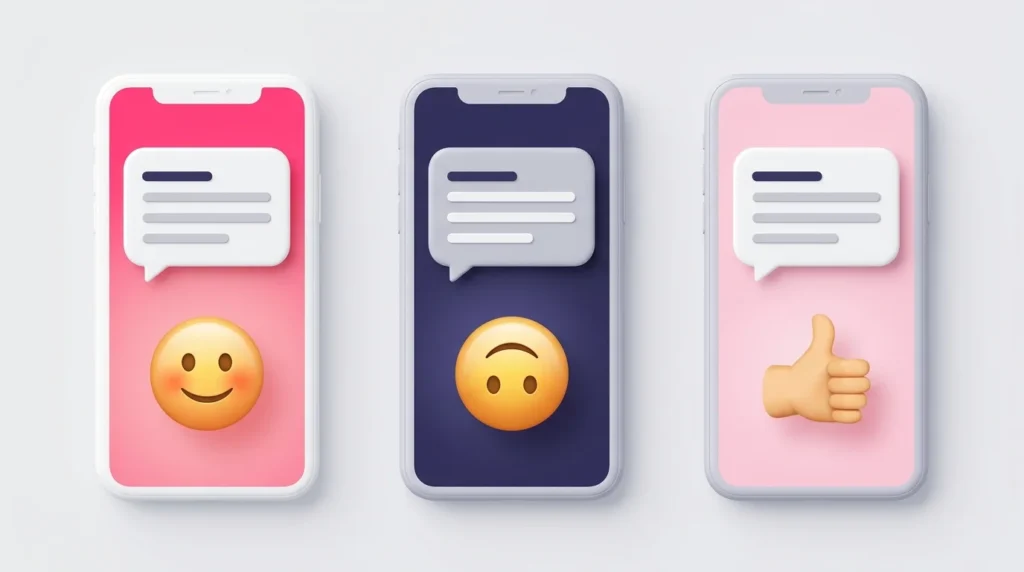
Punctuation can also affect how a message feels. For example, “Fine.” may sound more serious than “Fine 😊” to some readers.
Still, no single emoji or punctuation mark proves that someone is angry, flirting, or being sarcastic. Their normal writing style matters.
What Do Emoji Combinations Mean in Text?
People often combine two or more emojis to express a feeling more clearly.
| Emoji combination | Common meaning | Example situation |
|---|---|---|
| 😂💀 | Extreme laughter | Reacting to a hilarious story |
| ❤️🥰 | Love and affection | Sending a sweet message |
| 😭😂 | Laughing while overwhelmed | Reacting to an unbelievable joke |
| 🔥😍 | Strong admiration | Complimenting a photo or outfit |
| 🙏❤️ | Gratitude and care | Thanking someone for support |
| 👀🤔 | Curiosity or suspicion | Reacting to unexpected news |
| 🎉🥳 | Celebration and excitement | Congratulating a friend |
The meaning can change with the words and the people involved. Some combinations also have special meanings within certain friend groups or online communities.
How to Reply to an Emoji in Text
Your reply can be simple. You do not need to give every emoji a deep meaning.
Here are a few examples:
- Someone sends 😊: Reply with “Glad to hear that!” or 😊.
- Someone sends ❤️: Reply with “That means a lot, thank you!” or a heart.
- Someone sends 😂: Reply with “I knew you’d find that funny!”
- Someone sends 👍: Reply with “Perfect, thanks for confirming.”
- Someone sends 👀: Reply with “What caught your attention?” if you want to continue the conversation.
- Someone sends 😉: Reply playfully if you feel comfortable, or keep your response friendly.
If the emoji follows an important or emotional message, focus on the words first. If you cannot tell what the sender means, asking a simple question is better than guessing.
How to Avoid Misreading Emoji Meanings
A few simple habits can help you read messages more clearly.
- Read the whole message. The words often explain what the emoji is meant to express.
- Think about your relationship. A heart from a parent may mean something different from a heart sent during a romantic conversation.
- Consider the situation. A skull after a joke often means laughter, while the same symbol in a serious conversation may have a different meaning.
- Notice the sender’s usual style. Some people use emojis in nearly every message, while others rarely use them.
- Avoid jumping to conclusions. A single symbol is not enough to prove anger, attraction, or sarcasm.
- Ask if needed. For an important message, a direct and friendly question can clear up confusion.
Emojis can also look slightly different across phones and apps. These visual differences may affect how someone reads a symbol, but they do not always change its intended meaning.
Frequently Asked Questions About Emoji Meaning in Text
1. What does emoji mean in a text message?
An emoji is a small digital symbol that adds emotion, meaning, or a reaction to a message. People use emojis to show happiness, love, humor, surprise, sadness, and many other feelings.
2. What is the most common meaning of emojis in texting?
Emojis commonly express emotions, reactions, and tone. For example, 😊 often shows friendliness, 😂 shows laughter, and ❤️ often expresses love or care. The exact meaning depends on the message.
3. What does ❤️ mean in text from a guy?
A red heart can show affection, appreciation, friendship, or romantic interest. Its meaning depends on the relationship and the conversation. A heart by itself does not prove that someone has romantic feelings.
4. What does 😉 mean in texting?
The winking face usually adds a playful, teasing, or joking tone. It can also suggest flirting, especially when the surrounding message is affectionate. However, friends may use it without any romantic meaning.
5. What does 💀 mean in text messages?
The skull emoji often means “I’m dead” from laughter, shock, or embarrassment. For example, someone may send 💀 after reading a very funny message. In serious conversations, it may refer to death or darker topics instead.
6. Can the same emoji have different meanings?
Yes. The same emoji can express different feelings depending on the words, relationship, culture, and situation. A thumbs-up may be a friendly confirmation in one chat but feel dismissive in another.
7. What does 👍 mean in a text message?
The thumbs-up emoji usually means agreement, approval, or acknowledgment. It can be a quick way to confirm a plan or show that someone has read a message. Some people may read it as cold or brief, especially during an emotional conversation.
8. How can I tell if an emoji is flirty or friendly?
Look at the whole conversation rather than one symbol. Winks, hearts, and heart-eyes can appear in both friendly and romantic messages. If the sender’s intentions are unclear, a direct conversation is more reliable than guessing from emojis.
Conclusion
The meaning of an emoji in text depends on the symbol and how it is used. Smiles can show warmth, hearts can express affection, laughing faces can react to jokes, and symbols such as 👀 or 🙃 can add curiosity or sarcasm. Emojis help people share feelings and reactions in short, everyday messages.
The best way to read an emoji is to look at the words around it, the situation, and your relationship with the sender. Do not assume that every heart means love or that every short reply is rude. If a message matters and its meaning is unclear, ask the sender what they meant.

James Whitmore is an emoji meanings writer at Emojixa.com. He writes simple guides about emoji meanings, texting expressions, and emoji combinations to help readers understand how emojis are used in everyday conversations, friendships, and relationships.